Professional Techniques for Heavy Appliance Removal
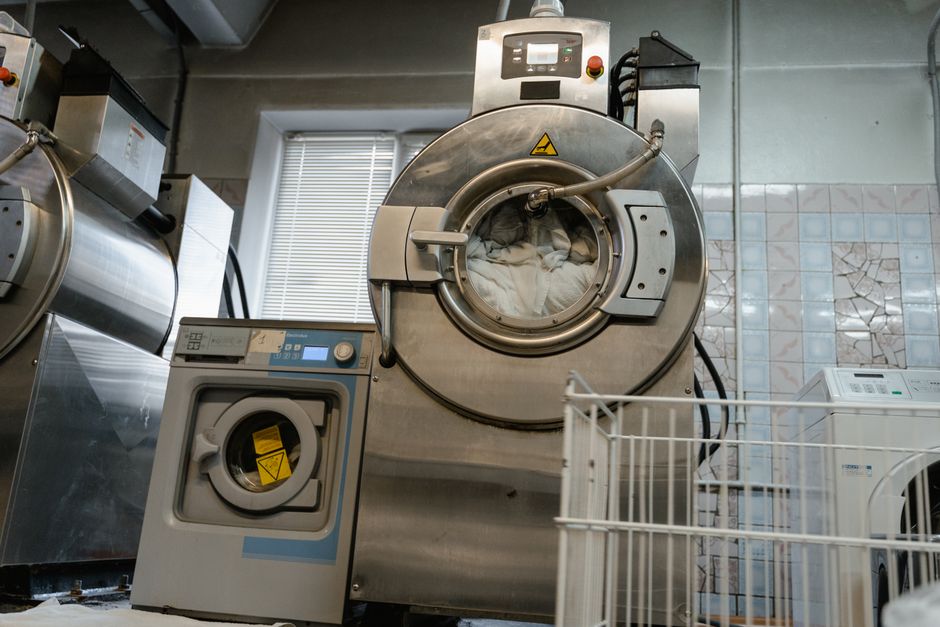
Heavy appliances look harmless enough until you try to move one. A fridge-freezer that seemed fine in the kitchen suddenly becomes awkward in the hallway; a washing machine feels twice as heavy once it has to clear a tight stairwell; an old range cooker seems to grow arms and elbows of its own. That is where Professional Techniques for Heavy Appliance Removal matter. The work is not just about muscle. It is about planning, load control, safe lifting, floor protection, dismantling where needed, and knowing when to stop and bring in trained help.
If you are clearing a home, emptying a flat, or replacing a bulky appliance in a commercial space, the stakes are similar: avoid damage, avoid injury, and avoid making a messy job worse. This guide walks through the practical side of the process, from preparation and handling methods to common mistakes, compliance points, and the decision factors that separate a smooth removal from a stressful one. And yes, sometimes the smartest technique is simply not to drag the thing at all.
Why Professional Techniques for Heavy Appliance Removal Matters
Heavy appliance removal is one of those tasks that looks straightforward until you are standing in front of a bulky item with a narrow doorway behind you. Professional methods matter because the risk is rarely just the weight. It is the shape, the balance, the hidden wiring, the fragile flooring, the narrow turns, and the unknowns inside the appliance itself. A chest freezer can be slippery. A tumble dryer can shift when tilted. A range cooker can be heavier on one side than you expect. Simple enough in theory, awkward in reality.
Professionals approach the job as a controlled move, not a pull-and-hope exercise. That means planning the route, checking for obstructions, separating detachable parts, and choosing the right handling method for the appliance type. It also means protecting walls, doors, and floors before anything moves. In a typical London terrace or a compact flat, one poor turn on a staircase can leave a dent in the plaster and a sore back to match. To be fair, that is a bad trade.
There is also a safety angle that people underestimate. Appliances often contain sharp edges, residual water, refrigerants, electrical components, or trapped debris. Even when switched off, they can still pose risks. Professional techniques reduce those risks through preparation and the right sequence of work. That is the real difference: not brute force, but control.
If the removal is part of a broader clear-out, it can also make sense to align it with related services such as house clearance, home clearance, or furniture disposal. When several bulky items are leaving at once, the whole process becomes much more efficient.
How Professional Techniques for Heavy Appliance Removal Works
The best removals follow a simple but disciplined flow. First comes inspection. Then preparation. Then safe movement. Then loading, transport, and disposal or recycling. Each stage has a purpose, and skipping one usually creates problems later.
In practice, a professional team will begin by identifying the appliance type and the route out of the property. That means checking width, ceiling height, stairs, turns, thresholds, and surfaces that could be damaged. A fridge in a ground-floor kitchen is one thing; the same fridge on the second floor of a flat is a different conversation entirely. If the route is tight, the team may remove doors, shelves, or detachable panels before moving.
Next comes risk reduction. This can include unplugging the appliance, isolating water supplies, draining hoses, and allowing heat to settle where needed. For appliances like washing machines or dishwashers, water left in the line is a nuisance; it can also turn a tidy move into a wet one very quickly. Nobody wants a soggy hallway at 8 a.m.
Once ready, the appliance is moved using controlled handling. That may involve a trolley, straps, skates, or a two-person lift depending on the item. The key is balance and communication. One person leads, one stabilises, and both move at the same pace. There is no heroism in trying to muscle through a stairwell alone. In real work, that is usually how people get hurt.
Finally, the item is loaded for removal and directed to the appropriate waste stream. Where possible, metal, plastic, glass, and reusable parts should be separated for recycling. Responsible handling is part of the job, not an afterthought. If you want to understand the wider disposal context, the page on recycling and sustainability is a useful companion read.
Key Benefits and Practical Advantages
Professional appliance removal is about more than convenience. The benefits stack up quickly, especially in homes where access is tight or the appliance is unusually heavy.
- Lower injury risk: trained handling reduces strain, slips, and sudden drops.
- Less property damage: door frames, flooring, skirting boards, and paintwork are better protected.
- Faster turnaround: a planned removal is usually much quicker than an improvised one.
- Better disposal outcomes: items can be sorted for reuse, recycling, or compliant waste handling.
- Reduced stress: you do not have to figure out moving straps, route planning, or loading logistics on the fly.
There is also a practical benefit people often forget: confidence. When you know the appliance will be dealt with properly, the rest of the day feels less chaotic. That matters if you are in the middle of a move, a renovation, or a last-minute kitchen replacement. Small relief, big difference.
For business premises, the value is even clearer. A restaurant replacing commercial refrigeration, or an office clearing a pantry area, cannot afford long disruption. In those settings, services such as business waste removal or office clearance can help keep the workflow tidy and the premises usable.
Expert summary: The safest heavy appliance removal jobs are rarely the fastest-looking ones at the start. They are the ones where the route is checked, the item is prepared properly, and the lifting is controlled from first move to final load.
Who This Is For and When It Makes Sense
This topic is relevant to more people than you might think. If you are replacing a single appliance, clearing a property, helping a relative downsize, or emptying a rental unit after tenants leave behind bulky items, the same principles apply.
It makes particular sense for:
- Homeowners replacing white goods or old kitchen appliances
- Landlords clearing tenant-left appliances between tenancies
- Estate executors dealing with a property that includes large appliances
- Flat owners where stair access, lifts, or communal areas add complexity
- Tradespeople and refurb teams removing old appliances during a renovation
- Small businesses upgrading commercial fridges, freezers, or kitchen equipment
Sometimes the decision is obvious. A heavy American-style fridge in a narrow terraced house? That is a professional job. A washing machine in a ground-floor utility room with a straight exit? You may still want help, especially if you are short on time or do not have the right equipment. Truth be told, many people can physically manage a removal but should not have to risk their back to save a few hours.
If the appliance is part of a larger clearance, the job may be better handled alongside flat clearance, garage clearance, or loft clearance, depending on where the item is stored.
Step-by-Step Guidance
Here is a practical, professional-style process you can follow or expect from a good removal team.
1. Assess the appliance and the route
Check the size, weight, condition, and placement of the appliance. Then measure the route out. Look at door widths, stair turns, landings, lifts, and thresholds. If the route is awkward, plan for a second person or a more specialised handling method.
2. Disconnect safely
Switch off power at the socket and, where needed, isolate the supply. For plumbed appliances, shut off the water and drain remaining water from hoses or trays. A washer with a surprise litre of water inside is never a fun moment. Never really.
3. Empty, secure, and prepare
Remove contents, shelves, trays, and loose parts. Tape doors shut if the design allows it and if that will help with movement. Secure trailing cords and hoses so they do not snag on corners or stairs.
4. Protect the property
Lay down floor protection where the route is likely to be used. Use padding for door frames and tight corners if there is any chance of contact. It only takes one badly timed bump to mark a painted wall.
5. Use the right moving method
For smaller heavy appliances, a trolley or dolly may be appropriate. For awkward or top-heavy units, lifting straps and a two-person coordinated carry are often safer. Keep the load close to the body and move slowly. No lunging. No twisting. No sprinting down the hallway like a bizarre relay race.
6. Load and secure
When the appliance reaches the vehicle, load it in a stable position and secure it so it cannot tip or slide. Even a short journey can shake an unsecured item loose. Once loaded, confirm whether the appliance is headed for reuse, recycling, or disposal.
7. Finish with a tidy handover
The best removals end with the area left neat and clear. Remove debris, check for drips or scuffs, and make sure all disconnected supplies are safely capped or isolated. Small detail, yes, but it matters.
Expert Tips for Better Results
There are a few field-tested habits that make a big difference.
- Measure before you move: it sounds basic, but it prevents half the drama.
- Use two people for awkward items: even if the appliance is not enormous, balance is the real issue.
- Keep the route clear: shoes, mats, pet bowls, and loose clutter are common trip hazards.
- Mind the centre of gravity: tall appliances can lean unexpectedly, especially on stairs.
- Protect corners first: the damage usually happens at the turn, not in the open hallway.
- Drain before moving: washing machines and dishwashers are notorious for leftover water.
One thing experienced crews do well is pause before the move begins. That little pause is not hesitation; it is judgment. You look, you talk, you adjust the angle, and only then do you move. It saves time in the end, even if it feels slower at the start.
If you are comparing broader clearance support, the page on furniture clearance can be useful when the appliance removal is part of a larger room or property clear-out.
Common Mistakes to Avoid
Most heavy appliance problems come from a few repeat mistakes. The good news is that they are easy to identify once you know what to look for.
- Trying to move the appliance alone: this is one of the quickest ways to strain a back or smash a door frame.
- Skipping the route check: a unit that fits in the room may not fit around the turn.
- Forgetting to drain water: wet floors make the job unsafe and messier than it needs to be.
- Dragging instead of lifting or rolling properly: that can damage flooring and reduce control.
- Leaving doors unsecured: doors that swing open mid-move throw off balance.
- Ignoring hidden hazards: exposed wiring, sharp metal edges, or damaged plugs should be treated carefully.
Another common issue is underestimating the exit route. The appliance may leave the kitchen fine, then catch at the porch, the stair bend, or the lift entrance. That is why the whole path must be planned, not just the first metre. You will notice this especially in older properties, where nothing is quite square and the hallway seems to narrow for sport.
Tools, Resources and Recommendations
The right tools make appliance removal safer and cleaner. You do not need a warehouse of equipment, but you do need the basics.
| Tool or resource | What it helps with | Best use |
|---|---|---|
| Appliance dolly or trolley | Moving heavy items over flat ground | Fridges, freezers, washing machines |
| Moving straps | Controlled lifting and balance | Stairs, tight turns, awkward lifts |
| Floor protection | Reducing scuffs and dents | Hallways, kitchens, staircases |
| Protective gloves | Grip and hand safety | Handling metal edges and dusty surfaces |
| Socket tester or safe isolation check | Confirming power is off where relevant | Electrical appliances before disconnection |
| Drain tray or towels | Managing water residue | Washing machines, dishwashers |
For some households, the simplest recommendation is to stop trying to do it as a DIY move and instead book a professional service. That is especially true where access is awkward or the appliance is awkwardly shaped. A typical example is a large fridge in a maisonette with a stair landing turn that feels like it was designed by someone with a grudge. In those cases, experience is worth more than enthusiasm.
Where disposal and collection need to be handled together, waste removal is often the most direct route, while pricing and quotes can help you understand what the service may involve before you book.
Law, Compliance, Standards, or Best Practice
Heavy appliance removal is not just a lifting task; it can touch electrical safety, waste handling, and property access. In the UK, good practice means making sure appliances are disconnected safely, handled carefully, and taken to the right destination. If the item contains refrigerant, electrical parts, or other components that need special treatment, it should be processed through appropriate waste channels rather than dumped or broken apart casually.
For households and businesses alike, best practice also includes checking whether the remover has appropriate insurance and follows a documented safety approach. That matters if something goes wrong in a staircase, hallway, loading area, or shared building. It is sensible to ask how the company protects property, what happens if access is difficult, and how items are handled after collection. A clear health and safety policy and transparent insurance and safety information are reassuring signs.
Waste handling should also align with responsible disposal and recycling habits. A company that separates materials and avoids unnecessary landfill is usually making the safer long-term choice, both practically and environmentally. That is especially important in larger clearances where appliance removal forms only part of the job. For businesses, there may also be internal rules or tenancy obligations to think about, which is why a careful, documented process is useful.
If you want to understand the company's broader operational standards, about us and the complaints procedure are useful trust signals to review before booking.
Options, Methods, or Comparison Table
There is no single removal method that suits every appliance. The right choice depends on the item, the access, and the level of risk.
| Method | Best for | Strengths | Trade-offs |
|---|---|---|---|
| Two-person manual carry | Short, manageable moves | Flexible, inexpensive, adaptable | Higher strain if the item is awkward |
| Trolley or dolly | Flat floors and straight routes | Stable and efficient | Less effective on stairs and tight turns |
| Straps and controlled lift | Staircases and narrow access | Better balance and control | Needs training and coordination |
| Full professional removal service | Large, heavy, or difficult appliances | Safest, fastest, least disruptive | Costs more than DIY in the short term |
The honest answer is that most difficult jobs end up in the last row. That is not a failure. It is a sensible decision based on access, safety, and the value of avoiding damage. If the appliance is part of a wider property emptying project, services like house clearance or flat clearance may be more efficient than arranging several separate visits.
Case Study or Real-World Example
Here is a realistic scenario. A small family in a first-floor flat needs an old fridge-freezer removed before a kitchen replacement. The hallway is tight, the stairwell turns sharply at the landing, and the front door opens onto a narrow communal path. Nothing dramatic, just one of those jobs that quietly becomes a bit of a headache.
The professional approach starts with a site check. The team measures the fridge and the route, confirms that the unit is empty and disconnected, and removes loose shelving so the doors do not swing. Floor protection is placed at the turn and near the exit. One person leads from the lower end, the second stabilises from above, and both move slowly on each step. No rushing. The tricky corner is taken with a brief pause, the fridge tilted only as much as needed, and the communal wall stays intact.
The outcome is simple: the appliance leaves without damage, the flat stays tidy, and the kitchen fitter can start the next day on schedule. The family is relieved, not just because the fridge is gone, but because the whole thing felt controlled. That emotional relief is real. Anyone who has tried to manoeuvre a large appliance through a stairwell will know the feeling in their shoulders when it finally clears the last turn.
Practical Checklist
Use this checklist before moving any heavy appliance. It is a small step that can save a lot of trouble.
- Confirm the appliance type, size, and approximate weight
- Measure doors, corridors, stairs, and lifts along the route
- Empty the appliance fully
- Disconnect power safely
- Isolate and drain water where relevant
- Remove shelves, trays, and loose parts
- Protect floors, corners, and door frames
- Choose the right equipment: trolley, straps, gloves, padding
- Assign at least one helper for awkward or heavy items
- Check where the appliance is going after removal
- Make sure the area is left clean and safe
If the job includes mixed bulky waste as well as appliances, a broader service like builders waste clearance may be relevant during renovation work, while garage clearance or garden clearance can be useful when the appliance has been stored with other clutter.
Get a free quote today and see how much you can save.
Conclusion
Professional appliance removal is really about discipline. Measure first. Protect the property. Move with control. Use the right equipment. And if the item, access route, or surrounding space makes the task risky, step back and choose a safer method. That is not overcautious; that is the job done properly.
For homeowners, landlords, and businesses, the value lies in avoiding damage and making a difficult job feel manageable. For older properties, compact flats, or busy commercial spaces, professional techniques are often the difference between a smooth clearance and an afternoon of regret. To be fair, there are enough stressful jobs in life already. This one does not need to be one of them.
When the appliance is gone and the space is clear, it is a small win, but a satisfying one.
Frequently Asked Questions
What is the safest way to remove a heavy appliance?
The safest way is to assess the route first, disconnect the appliance properly, protect the property, and use the right moving equipment. For awkward or very heavy items, two-person handling is usually the minimum sensible approach.
Can I remove a fridge or washing machine by myself?
Sometimes you can, but it is rarely the best idea unless the item is small, the route is simple, and you have the right equipment. Many injuries happen when people underestimate balance or try to turn corners alone.
Do heavy appliances need to be emptied before removal?
Yes. Emptying the appliance makes it lighter, safer, and less likely to leak or tip. Shelves, trays, drawers, and loose parts should also be removed where practical.
What should I do before moving a washing machine?
Switch it off, isolate the water supply, disconnect hoses safely, and drain any leftover water. It is also wise to secure the drum if the manufacturer's guidance suggests it for transport.
How do professionals protect floors and walls during removal?
They use floor coverings, padding at tight corners, and careful route planning. The aim is to prevent scraping, denting, and scuff marks before the move even starts.
Are there recycling rules for old appliances?
Yes, appliances should be disposed of through proper waste channels so metal, plastic, electrical parts, and any special components are handled appropriately. Responsible recycling is part of good practice.
How long does heavy appliance removal usually take?
It depends on the item, access, and whether disconnection is needed. A straightforward ground-floor removal can be quick, while a narrow stairwell or a multi-item clearance can take much longer.
What happens if the appliance will not fit through the door?
Professionals may remove doors, shelves, or other detachable parts, or they may change the route and use a different handling method. If the access is still too tight, the item may need a specialised approach.
Is appliance removal covered under house clearance or flat clearance?
Often, yes, if the service is removing bulky household items as part of a wider clearance. It depends on the specific job, so it is worth discussing the full list of items upfront.
What risks should I watch for with old appliances?
Watch for residual water, sharp edges, unstable doors, damaged cords, and awkward weight distribution. Old appliances can also be heavier than they look once dust, rust, or internal components are taken into account.
Do businesses need a different approach for appliance removal?
Usually yes, because timing, access, and disposal responsibilities can be more complex. Commercial premises may need work done outside trading hours or in line with internal safety procedures.
How do I choose a good removal company?
Look for clear safety information, proper insurance, transparent pricing, and a process that makes sense from start to finish. A sensible company will explain how it handles access, lifting, and disposal without fuss.