Myths About Recycling Household Waste Debunked
If you have ever stood in the kitchen holding a rinsed yoghurt pot and wondered, "Am I doing this right?", you are not alone. Recycling can feel oddly complicated for something so ordinary. Labels are confusing, advice changes from one council to the next, and social media is packed with confident claims that are, to be fair, not always true. This guide on Myths About Recycling Household Waste Debunked clears up the most common misconceptions in plain English, so you can recycle with more confidence and less guesswork.
Whether you are trying to cut contamination, understand what really belongs in the recycling bin, or simply stop wasting time sorting the wrong items, this article gives you practical answers. It also explains where recycling fits alongside broader recycling and sustainability habits, plus when it makes sense to use professional waste removal support for bulky or awkward household items. Let's get into it.
Table of Contents
- Why Myths About Recycling Household Waste Debunked Matters
- How Myths About Recycling Household Waste Debunked Works
- Key Benefits and Practical Advantages
- Who This Is For and When It Makes Sense
- Step-by-Step Guidance
- Expert Tips for Better Results
- Common Mistakes to Avoid
- Tools, Resources and Recommendations
- Law, Compliance, Standards, or Best Practice
- Options, Methods, or Comparison Table
- Case Study or Real-World Example
- Practical Checklist
- Conclusion
- Frequently Asked Questions
Why Myths About Recycling Household Waste Debunked Matters
Recycling myths matter because they quietly shape everyday behaviour. If people believe the wrong thing, they either put recyclable materials in the bin and contaminate a load, or they give up altogether and throw everything away. Neither is ideal. And because household recycling usually depends on local collection rules, confusion spreads fast.
One of the biggest issues is that myths often sound sensible. For example, "if an item has food on it, it cannot be recycled" sounds believable, but it is not always true in the way people assume. Likewise, "black plastic is never recyclable" is too broad to be useful. The reality tends to be more nuanced. That is why simple slogans can be misleading.
There is also a financial and environmental side. Contaminated recycling can increase processing costs and reduce the amount of material that can actually be recovered. In practical terms, that means more sorting, more rejection, and more frustration for everyone involved. You will notice this most when one small mistake ruins an otherwise decent recycling effort. Annoying, honestly.
For households dealing with clear-outs, seasonal decluttering, or bigger jobs like loft sorting or garage tidying, recycling myths can create extra stress. If a room is full of mixed items, it helps to know what can be reused, recycled, donated, or responsibly removed. For larger projects, pages like house clearance, loft clearance, and garage clearance can be useful starting points when deciding how to handle mixed household waste in a tidy, lawful way.
Expert summary: Recycling works best when you focus on local instructions, clean sorting habits, and realistic expectations. The goal is not perfection. The goal is to reduce avoidable mistakes and keep good material out of general waste.
How Myths About Recycling Household Waste Debunked Works
Debunking recycling myths is really a process of separating three things: the material itself, the condition of the item, and the rules that apply where you live. That sounds simple, but in the kitchen it can feel less simple, especially when you are trying to make quick decisions while cooking tea and clearing up at the same time.
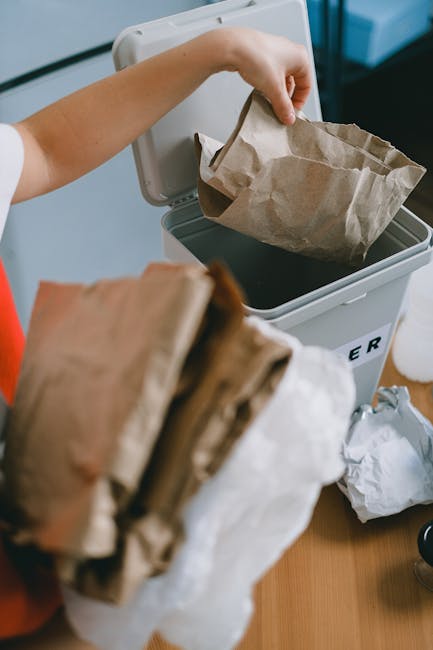
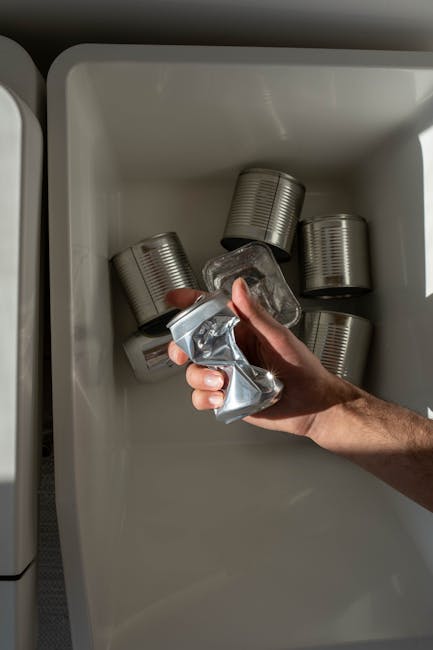
Start with the material. Paper, card, glass, metal, and certain plastics are the usual household recycling categories. But the item's shape, coating, residue, and local collection system all matter. A pizza box with grease stains may be partly recyclable in some cases and not in others. A plastic tub may be accepted, but its lid, label, or residue may change how it should be prepared. This is where myth-busting helps: it encourages people to stop relying on blanket rules.
Next comes condition. Clean, empty, and reasonably dry items are usually easier to process. That does not mean every item must be washed like fine china. Overdoing it wastes water and time. A quick scrape or rinse is often enough, unless your local guidance says otherwise. This is one of those areas where a bit of common sense goes a long way.
Then there is local practice. UK councils do not all collect the same materials in the same way. One area may accept mixed plastics; another may not. Some communities collect glass separately, while others use mixed recycling. If you are unsure, check your local collection guidance rather than trusting a viral tip or a neighbour's well-meaning advice from three streets away.
For items that are not part of normal weekly recycling, a responsible removal service can help you separate recyclable, reusable, and non-recyclable waste more efficiently. If you are clearing out furniture or mixed household items, furniture clearance and furniture disposal may be more suitable than trying to force oversized pieces into your recycling routine.
Key Benefits and Practical Advantages
Getting recycling facts straight is not just about being "good at recycling". It has real, everyday benefits that you can feel almost immediately.
- Less contamination: You reduce the chance of putting the wrong item into the wrong stream.
- Less waste: More material is recovered instead of sent to landfill or energy recovery unnecessarily.
- Less decision fatigue: Clear rules make sorting quicker. No more standing there with a cereal box lid in your hand for two minutes.
- Better household routines: Recycling becomes part of normal cleaning-up rather than a confusing extra job.
- More reuse opportunities: Some items are better donated, repaired, or passed on than recycled.
- Cleaner clear-outs: When decluttering, you can separate keep, reuse, recycle, and dispose with less mess.
There is another benefit that people often overlook: confidence. Once you understand the real rules, you stop second-guessing yourself. That confidence tends to spread across the household too. Children learn better habits. Flatmates argue less about the bin. Small win, but a real one.
For homes that regularly produce mixed waste from DIY, gardening, or office-style paper clutter, it can also make sense to plan waste handling more intentionally. A room refresh, a post-renovation clean-up, or a garden tidy often produces materials that need different routes. In those cases, services such as builders waste clearance, garden clearance, and office clearance may be more realistic than trying to sort everything through the household recycling box.
Who This Is For and When It Makes Sense
This topic is for almost anyone with a bin in the kitchen, but some people will benefit more than others.
Homeowners and tenants often face the most confusion because household waste is a blend of packaging, food leftovers, broken items, and occasional bulky stuff. In a flat, the challenge can be even sharper because shared bins fill quickly and there may be less space for storing sorted materials. If that sounds familiar, the guidance in flat clearance can help when clutter starts to build up beyond normal recycling habits.
Families benefit from simple household rules. When several people use the same kitchen, unclear recycling habits tend to create mess, smell, and unnecessary repetition. If one person rinses everything while another throws things straight in, the bin area becomes a small battlefield. Not dramatic, but close enough on a Monday morning.
People doing a seasonal clear-out need this because old habits meet a bigger volume of stuff. That old box in the loft, the broken chair in the garage, and three bags of mixed packaging can turn into a headache if you do not know what belongs where.
Anyone planning a move, renovation, or business-like home office clear-up also needs myth-free recycling advice. The waste stream gets more complicated, and the right disposal route becomes more important. A mixed pile of cardboard, plastic, old electronics packaging, and damaged household goods is not the time to rely on guesswork.
In short, this is for anyone who wants a cleaner, simpler, more practical approach to household waste. If you have ever thought, "I should know this by now," well, you are in good company.
Step-by-Step Guidance
Here is a practical way to handle household recycling without falling for the usual myths.
- Separate materials at the source. Keep paper, card, plastics, metals, and glass apart if your local collection requires it. A simple tray or bag system can help.
- Check the item, not just the label. The words on the package are useful, but the actual material and condition matter more. A coated box is not the same as plain cardboard.
- Empty leftovers first. Scrape or rinse food residue where needed. You do not need to polish the thing, just make it suitable for collection.
- Look at local collection rules. Council systems vary, so treat general advice as a starting point, not the final word.
- Set aside non-recyclables early. Polystyrene, damaged composites, and heavily contaminated items may need another route.
- Reuse before you recycle. If an item can be donated, repaired, or repurposed, that is often the better option.
- Use specialist clearance for mixed or bulky waste. When the pile includes broken furniture, old boxes, or awkward items, professional collection can save time and reduce mistakes.
A realistic example: imagine you are clearing a spare room after years of "I'll deal with that later." You find cardboard boxes, old files, a broken lamp, packaging from a flat-pack wardrobe, and a small stack of magazines. Some of it is recyclable. Some of it is not. Some of it can be reused or donated. The trick is to sort it in one pass rather than moving the same item around the house five times.
If you need broader household support while sorting out clutter, home clearance can be helpful for mixed domestic items, especially when the job is bigger than a standard bin sort.
Expert Tips for Better Results
Here are the small habits that usually make the biggest difference.
- Keep a recycling cheat sheet in the kitchen. A short note on the fridge works better than trying to remember everything.
- Flatten card before storing it. This saves space and makes it easier to spot contamination.
- Do not over-wash items. Clean enough is usually fine. There is no prize for sparkling yoghurt pots.
- Separate lids if your local system asks for it. Small details matter more than people think.
- Watch for mixed materials. Items made of paper, plastic, foil, and glue can be tricky and may not behave like plain packaging.
- Use one staging area for sorting. A crate, spare sack, or corner of the utility room can keep things organised.
- Plan for bulky items early. Do not wait until the hall is full of a sagging armchair and three duff boxes.
One of the best practical tips is to think in terms of end destination. Ask yourself: can this be recycled, reused, repaired, or removed as mixed waste? That mindset is better than obsessing over a single bin label. It also makes clear-outs calmer, which is no bad thing when you are halfway through a Saturday and the kettle has gone cold.
Common Mistakes to Avoid
Myths tend to create predictable mistakes. These are the ones we see most often.
- Putting dirty items in without checking. A bit of residue may be fine, but heavy contamination is a problem.
- Assuming every council accepts the same materials. This is a big one. Local differences are real.
- Believing all "recyclable" packaging is accepted everywhere. Packaging claims and collection rules are not identical.
- Forgetting to separate reusable items. Good furniture, books, and household goods may be better passed on than binned.
- Over-relying on internet shortcuts. A neat infographic is not the same as a local rule.
- Mixing hazardous or specialist waste into general household recycling. Items like batteries, sharp fragments, or certain electronics need special handling.
A lot of recycling mistakes happen because people are trying to be helpful, not careless. That matters. But good intentions do not always equal good sorting. If a box has food residue and mixed materials, it may need a different route than a clean stack of cardboard. That distinction saves time later.
For regular household waste, keep it simple. For unusually large jobs, use the right clearance route rather than forcing everything through a single recycling routine. It is cleaner, safer, and usually less stressful.
Tools, Resources and Recommendations
You do not need a complicated system to recycle household waste well. A few basic tools are usually enough.
- Two or three sorting containers: one for mixed recycling, one for general waste, and one for items to reuse or donate.
- A washable caddy or tray: useful for small items that would otherwise get lost in the shuffle.
- Labels: plain handwritten labels are often better than fancy printed ones.
- Reusable sacks or boxes: ideal for cardboard, paper, or items awaiting a final decision.
- A note of local collection rules: keep it where the waste is created, not buried in a drawer you never open.
When household waste is part of a bigger tidy-up, think about the type of material you are dealing with. Paper clutter and packaging are one thing. Broken furniture, loft debris, or garden cuttings are another. If you are sorting through outdoor waste, garden clearance can be useful for branches, soil bags, and mixed green waste. If the clear-out is business-related or home-office related, business waste removal may be a more fitting option than household recycling alone.
For people comparing how to deal with a lot of waste, it can also help to review pricing and quotes so you understand the practical side before the pile gets out of hand. And if safety matters in your situation, the pages on insurance and safety and health and safety policy are worth a look. Not glamorous, but useful.
Law, Compliance, Standards, or Best Practice
In the UK, household recycling is shaped by local collection arrangements, waste handling expectations, and general best practice around contamination and responsible disposal. The exact rules can vary by council, so it is wise to check local guidance rather than relying on national assumptions. That is especially true for items made from multiple materials or for anything that might be classed as specialist waste.
Best practice usually means keeping recyclable material as clean and dry as reasonably possible, not mixing it with food waste, and placing only accepted items in the correct container. For anything uncertain, it is better to set it aside and confirm later than to contaminate a whole load. A small mistake can have a bigger impact than people expect.
If you are disposing of household items through a clearance provider, the service should be clear about handling, segregation, and safe removal. Transparency matters. So do clear terms. That is one reason pages such as terms and conditions, payment and security, and about us can be useful for understanding how a provider works before you book anything.
Where items are damaged, heavy, sharp, or difficult to move, safety becomes part of the compliance picture too. Rushing a clear-out is a bad idea, full stop. Gloves, sensible lifting, and a bit of space to work in are part of good practice, especially in cramped halls, lofts, and stairwells.
Options, Methods, or Comparison Table
There is no single right way to deal with household waste. The best method depends on the item, the amount, and how quickly you need the space back.
| Method | Best for | Pros | Limitations |
|---|---|---|---|
| Household recycling bin | Clean, accepted everyday packaging and materials | Simple, familiar, low effort | Local rules vary; contamination risk |
| Reuse or donation | Usable furniture, books, household goods | Extends item life, reduces waste | Not suitable for broken or unsafe items |
| DIY drop-off or separate sorting | People with time and access to facilities | More control, better separation | Time-consuming, can involve repeated trips |
| Professional clearance | Large volumes, bulky items, mixed household waste | Fast, practical, less lifting | May cost more than bin disposal |
If you are clearing an attic, spare room, or whole property, professional help can be the calmer option. That is especially true when the waste includes a bit of everything: old furniture, cardboard, broken odds and ends, and awkward items that do not fit neatly into household recycling. Services such as house clearance, flat clearance, and furniture disposal become particularly relevant when your usual routine simply is not enough.
Case Study or Real-World Example
Picture a family in a terraced house after a long overdue declutter. The hallway is full of old packaging from deliveries, a broken bedside table, a bag of magazines, some glass jars, and a stack of cardboard that has been flattened but not yet sorted. There is also a dusty box from the loft that nobody has opened in years.
At first, they assume most of it can go in recycling. That is the myth in action. Once they slow down, the picture changes. The jars are fine after a quick rinse. The cardboard is mostly good, but a few greasy pieces need to go elsewhere. The old table is not recycling-bin material, but it may be suitable for removal or disposal. The magazines are recyclable if accepted locally. The dusty loft box turns out to be a mix of keep, donate, and discard. Simple enough in hindsight, slightly chaotic in the moment.
The practical win came from sorting by material and condition rather than by assumption. They also realised the broken table and mixed clutter were better handled as part of a broader clear-out rather than forcing every item into the weekly bin cycle. That is often the turning point for households: once the waste stops being "just rubbish" and becomes distinct categories, decisions get easier.
In real life, that usually means a cleaner kitchen, fewer overflowing bags, and a lot less second-guessing. Tiny victory, but it adds up.
Practical Checklist
Use this checklist before you throw household waste away.
- Have I checked whether the item is recyclable, reusable, or neither?
- Is the item clean enough for the local recycling system?
- Does it contain mixed materials that may change how it should be sorted?
- Have I checked my local collection guidance for this item?
- Could this be donated, repaired, or repurposed instead?
- Is the item too large, heavy, or awkward for normal household bins?
- Do I need a separate route for garden, builders, or office-style waste?
- Have I kept sharp, hazardous, or specialist items out of standard recycling?
- Is there a clear place for items I am unsure about?
- Do I need professional help to finish the job safely and properly?
If you can tick most of these off, you are already ahead of the usual recycling confusion. If not, no drama. Start with the easiest wins first.
Get a free quote today and see how much you can save.
Conclusion
Recycling household waste does not need to be a puzzle. Most of the stress comes from myths, blanket rules, and the idea that every item has one perfect answer. In reality, good recycling is usually about making sensible decisions: sort by material, respect local rules, avoid contamination, and use the right disposal route when something is bulky, broken, or simply too mixed to fit the weekly routine.
Once you strip away the myths, the whole process feels lighter. You spend less time wondering, less time re-sorting, and less time dealing with overflowing bags in the hallway. That is probably the real goal here. Not perfection. Just a calmer, cleaner way to handle the stuff life leaves behind.
And if the pile is bigger than expected, that happens. It really does. The important thing is getting it sorted in a way that works for your home, your schedule, and the environment around you.
Frequently Asked Questions
Can food-stained recycling still be recycled?
Sometimes, but not always. Light residue may be acceptable in some systems, while heavy contamination can make the whole item unsuitable. A quick scrape or rinse is usually enough unless your local guidance says otherwise.
Do I need to wash every item before recycling it?
No, not usually. The aim is to remove leftover food or obvious contamination, not to deep-clean packaging. Over-washing wastes water and time, so keep it practical.
Is black plastic always unrecyclable?
That is one of the common myths. Some facilities can process certain black plastics, while others cannot. The real answer depends on local collection and sorting systems.
Can I put all plastics in the same bin?
Not necessarily. Different councils accept different types of plastic packaging. Some systems are more flexible than others, so it is worth checking what your local collection actually takes.
What should I do with mixed household items from a clear-out?
Sort them into reuse, recycling, and disposal categories first. If the volume is large or the items are bulky, a professional service may be more efficient than trying to handle everything through normal recycling.
Are cardboard boxes always recyclable?
Clean cardboard is usually recyclable, but greasy or heavily contaminated cardboard may not be accepted. Flattening boxes helps, and removing obvious food residue makes life easier.
What items should never go in household recycling?
Anything hazardous, sharp, or specifically excluded by local rules should stay out of standard recycling. If in doubt, separate it and check the guidance before putting it out.
Is it better to recycle or reuse?
Reuse is usually the better first option because it extends the life of the item and avoids processing it as waste. Recycling is the next best step when reuse is not practical.
What if I do not know whether an item is recyclable?
Set it aside rather than guessing. A quick check against local collection rules is usually enough to avoid contamination or a mistake that affects the rest of the load.
How do I handle recycling during a house clearance?
Start by separating obvious recyclables from general waste and reusable items. For bigger jobs, house clearance support can make the sorting process much easier, especially when the property contains mixed clutter.
Does recycling household waste save money?
It can, indirectly. Better sorting reduces contamination and may help avoid unnecessary disposal costs. For larger projects, comparing options through pricing and quotes can give you a clearer picture of the best value route.
Where can I learn more about recycling and responsible disposal?
The most useful starting point is usually the local collection guidance for your area, combined with a practical look at how waste is handled in the home. You can also review the site's recycling and sustainability information for a broader overview of responsible waste handling.